
When it comes to private aviation, the word safest is tricky. There’s no single, universal way to measure the safety of an aircraft because so much depends on how it’s operated, who maintains it, and the crew flying it. Safety records are influenced by pilot training, maintenance practices, operator certifications, and even flight conditions.
That’s why no one can claim that one private jet is the safest in the world.
Instead, our team looked at the factors that matter most in evaluating private jet safety:
Engineering and design standards – Aircraft built with redundancy, modern avionics, and advanced materials.
Proven reliability and safety track record – Jets with a history of safe operations across thousands of flights worldwide.
Operator and crew support – Planes widely used by top charter operators who follow strict compliance programs like IS-BAO.
Using these benchmarks, we’ve highlighted some of the safest private jets available in 2025, based on a balance of technology, reputation, and reliability.
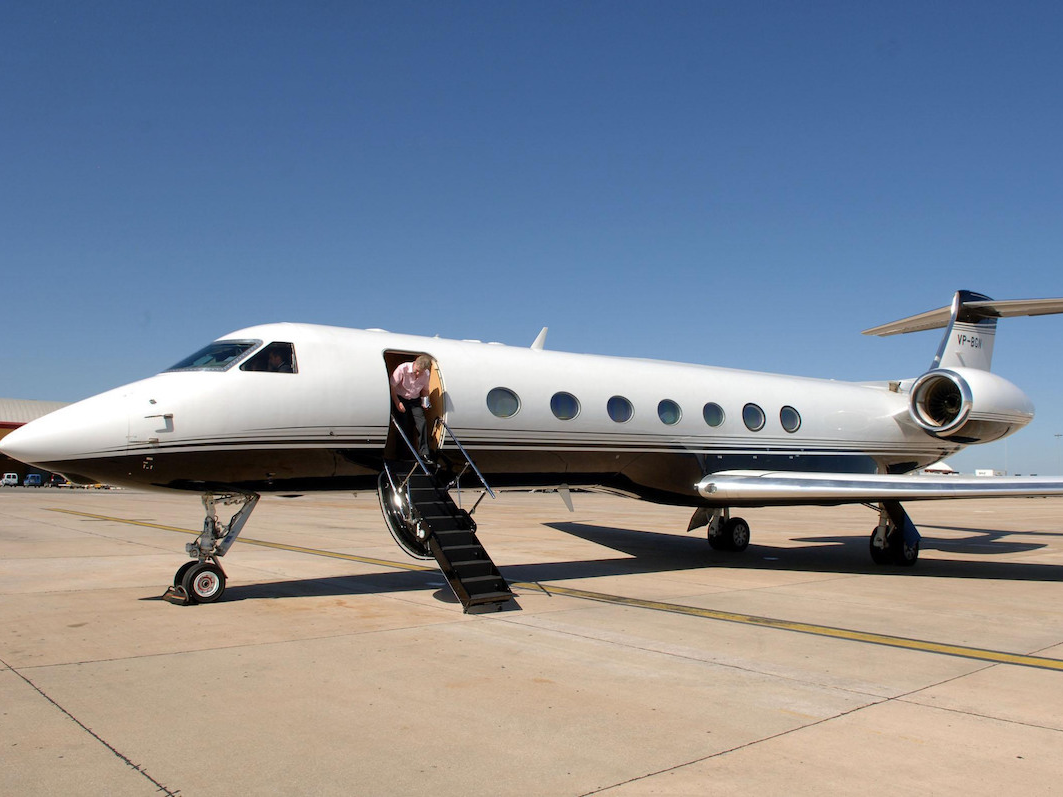
The Gulfstream G650 and its newer sibling, the G700, are icons of long-range private travel. Known for speed, luxury, and technological sophistication, they are also built with a strong emphasis on safety.
Why they’re safe: Gulfstream builds in backup systems for nearly everything, so if one system fails, another takes over.
Extra protection: Pilots have “night vision”-style tools that help them see runways, terrain, or other planes even in darkness or bad weather.
Passenger comfort = safety: The way the cabin is pressurized helps reduce fatigue on long flights, which keeps both passengers and crew sharper and more alert.
The Global 7500 is one of the most advanced business jets flying today, designed for trips up to 7,700 nautical miles without stopping. While luxury is a big draw, its safety architecture is equally impressive.
The Praetor 600 is a standout in the super midsize category, built by Embraer, a company with strong roots in commercial and military aviation safety.
Fly by Wire Technology: This digital flight control system reduces pilot workload, smooths out turbulence, and prevents risky maneuvers, adding layers of safety beyond manual control.
Weather Protection: Equipped with advanced weather radar and predictive wind shear warnings, helping pilots proactively adjust to conditions.
Cabin Features: The Praetor has the highest altitude ceiling in its class, and the cleanest cabin air, reducing fatigue for passengers and crew. A well rested crew means sharper decision making.
Safety Heritage: Embraer applies lessons learned from building regional commercial jets (which undergo some of the strictest safety testing) into its business jet lineup.
The Falcon 8X is a long range jet from Dassault, a company that has built fighter jets for decades. That military heritage directly translates into the durability and redundancy of its business jets.
Triple Engine Redundancy: With three engines instead of the usual two, the Falcon 8X offers an extra margin of security, especially on oceanic or remote routes.
Steep Approach Capability: Certified for challenging airports like London City, where short runways and steep descents require precise handling.
FalconEye Combined Vision System: A first in the industry, FalconEye combines synthetic vision with infrared imagery, giving pilots unmatched visibility in darkness or fog.
The Citation Latitude is one of the most popular midsize jets on the charter market, prized for reliability, versatility, and for its strong safety profile.
Garmin G5000 Avionics: An intuitive, fully integrated avionics suite that reduces pilot workload and increases situational awareness.
Fleet Familiarity: With thousands of Citation jets flying worldwide, there’s a deep base of operator knowledge and maintenance expertise.
Maintenance Simplicity: Citations are known for being straightforward to maintain, reducing the chance of overlooked issues.
Operational Range: Ideal for domestic and regional flights, where quick turnarounds and high utilization require dependable safety performance.
At the end of the day, the safest way to fly private isn’t just about which jet you step onto, it’s about who is operating it. The aircraft itself matters, of course, and the jets we’ve highlighted are built with some of the most advanced safety features and strongest track records in the industry. But private aviation safety goes deeper than the make and model.
The operator’s maintenance standards, the crew’s training, the certifications they hold, and the safety culture of the company flying the jet all play an equally critical role. A well maintained, carefully operated midsize jet can be safer than a poorly managed ultra long range aircraft.
That’s why, in our eyes, the aircraft on this list represent some of the safest choices available but true peace of mind comes from choosing an operator with an uncompromising commitment to safety. When you combine the right jet with the right crew and operator, you get the safest and most reliable private flying experience possible.