
Average Seating
Capacity
Average Hourly
Rate
Average Speed
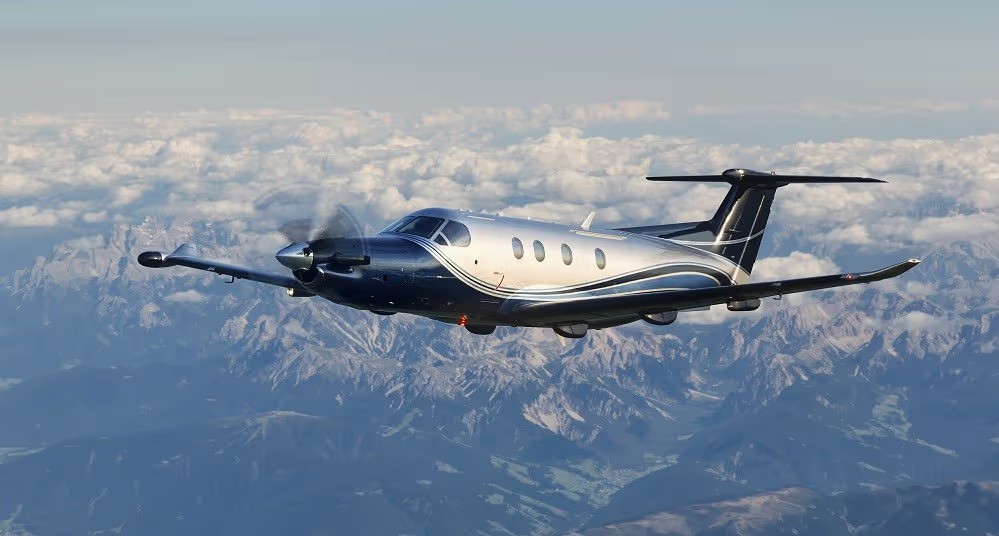
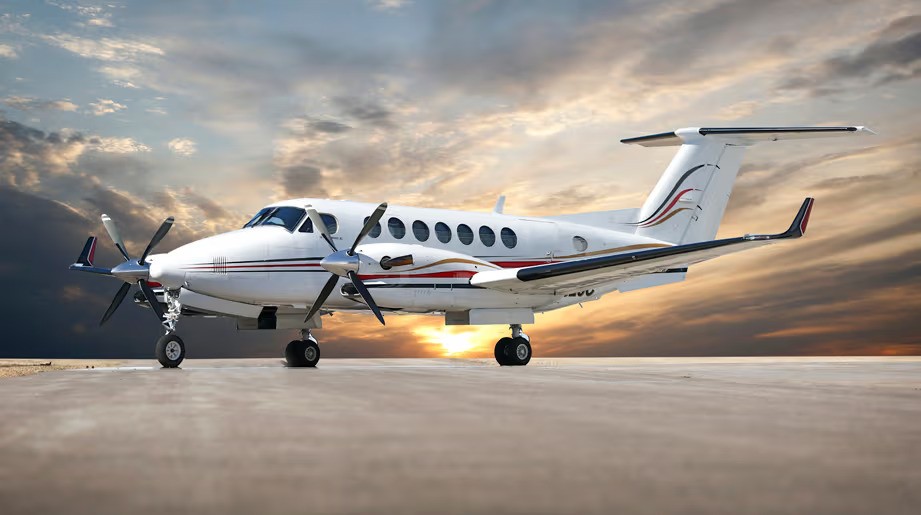
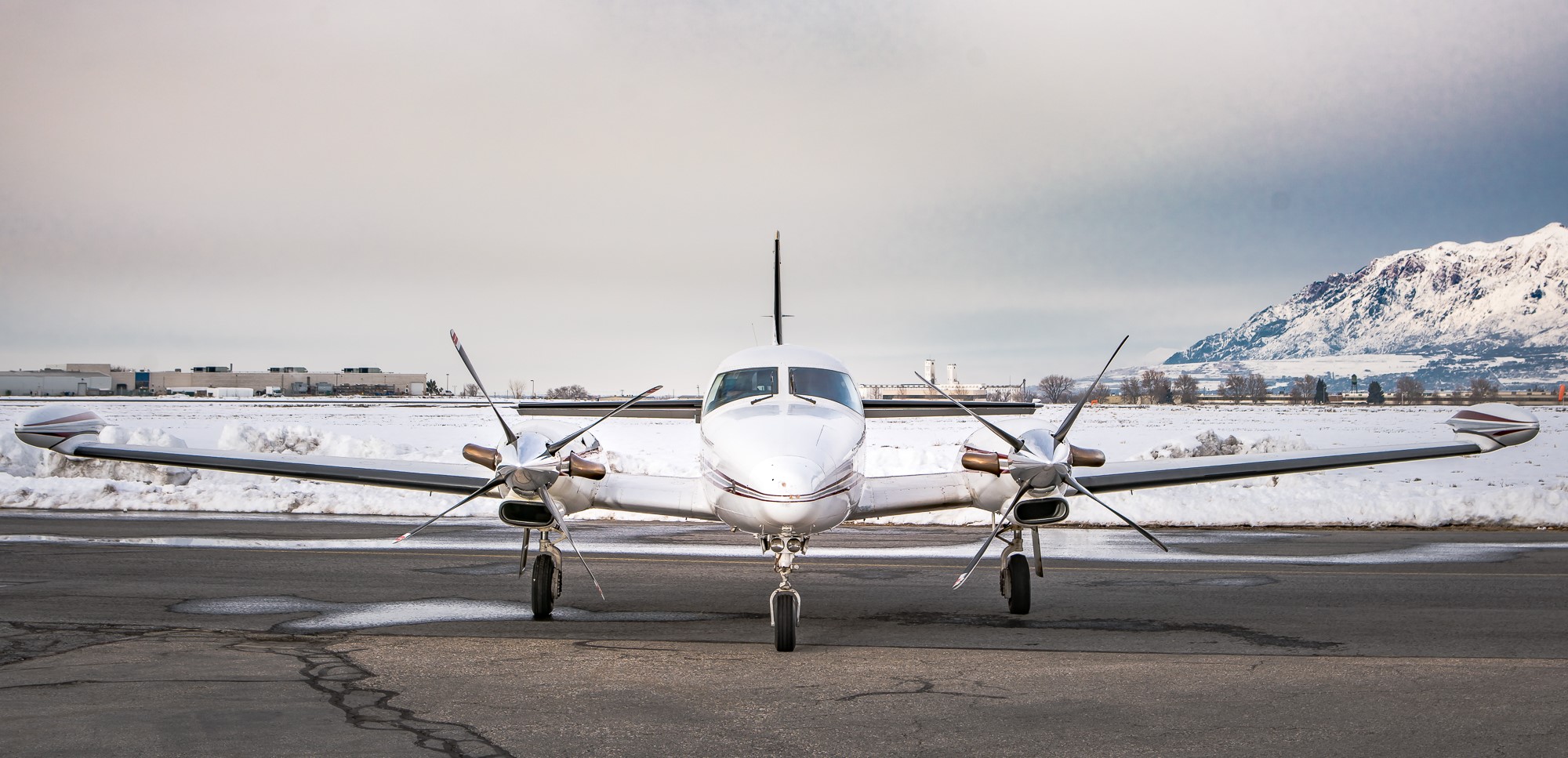
Turboprop aircraft typically offer seating for 4 to 9 passengers, making them a popular choice for private charters and short regional trips. Models like the King Air 350 and Pilatus PC-12 provide comfortable, spacious cabins with flexible layouts to suit small groups. These aircraft combine cost-efficiency with the ability to access smaller airports, making them ideal for business or leisure travel
The choice between a turboprop and a jet comes down to your priorities for speed, cost, range, and airport accessibility. Turboprops excel on short-to-medium flights, offering lower operating costs, better fuel efficiency at lower speeds, and the ability to use shorter runways—often getting you closer to your final destination. They’re ideal for regional travel, flights under about 600 miles, and trips to smaller airports where jets can’t land.
Jets, on the other hand, deliver faster cruise speeds, higher altitude capability, and generally smoother rides above the weather. They’re better suited for longer distances and time-sensitive travel, where speed and nonstop range matter more than operating cost.
In short, turboprops are usually the smarter choice for short, regional trips with flexible airport options
Turboprop aircraft are prized for their efficiency, versatility, and short runway performance One of their biggest strengths is the ability to operate from smaller airports and shorter runways. This opens up access to destinations that larger jets simply can’t reach, making them ideal for regional flights or locations with limited infrastructure. Turboprops can use fuel more efficiently to cover a certain distance helping the operator keep costs lower while still offering a comfortable and reliable service.
The Pilatus PC-12 and Beechcraft King Air are widely regarded as the safest turboprop aircraft thanks to their proven reliability, advanced engineering, and long operational histories. The PC-12, a single-engine turboprop with rugged Swiss design, offers excellent short-field performance, advanced avionics, and versatility for private, commercial, and medevac use. The King Air series, the gold standard in twin-engine turboprops, provides added safety through engine redundancy, a robust airframe, and modern safety systems trusted by corporate, government, and medical operators worldwide. Both models combine safety, performance, and flexibility, making them top choices for travelers and operators seeking dependable turboprop aircraft.
Chartering a turboprop generally ranges from $1,800 to $3,500 per flight hour, with the exact price depending on factors like aircraft size, age, location, and the details of your trip. Costs can vary based on the number of passengers, flight distance, seasonal demand, and additional fees such as airport charges, fuel surcharges, and crew expenses. Turboprops are often more economical than light jets for short-to-medium-range flights, offering excellent fuel efficiency and access to smaller airports, which can reduce ground travel time and overall trip cost.
Most turboprop aircraft can comfortably fly between 3 to 3.5 hours nonstop before a fuel stop is needed, which translates to roughly 1,000 to 1,500 nautical miles depending on the model, payload, and weather conditions. While some larger turboprops are capable of staying in the air longer, flights beyond the 3–3.5 hour mark often become less efficient and less comfortable for passengers, and are more likely to require refueling.
The availability and type of turboprop aircraft can vary greatly depending on your region. Some areas may offer single-engine models perfect for quick hops, while others have larger, twin-engine options suited for longer flights or higher passenger counts. The best way to find the right match is to inquire with a local charter provider. Our charter specialists can quickly check what’s available near you and present tailored options that fit your route, timing, and budget. Contact us today, and we’ll get you flying as soon as possible.
Turboprop aircraft typically offer seating for 4 to 9 passengers, making them a popular choice for private charters and short regional trips. Models like the King Air 350 and Pilatus PC-12 provide comfortable, spacious cabins with flexible layouts to suit small groups. These aircraft combine cost-efficiency with the ability to access smaller airports, making them ideal for business or leisure travel
Welcome to a world of limitless possibilities, where the journey is as exhilarating as the destination, and where every moment is an opportunity to make your mark on the canvas of existence. The only limit is the extent of your imagination.
Turboprop aircraft are highly fuel-efficient, making them cost-effective for short flights, typically up to 2.5 hours. Their ability to access smaller airports with short runways offers greater travel flexibility. Turboprops also have lower operational costs, making them an ideal choice for private charters. With seating for 4 to 9 passengers, these aircraft provide comfortable cabins for small group travel.
Turboprops are generally slower than jet aircraft, which may increase travel time on longer routes. Their cabins, while comfortable, may be smaller than those of jets, offering less space for luxury amenities. Additionally, turboprops can be noisier in flight compared to jets, potentially impacting passenger comfort on longer trips.